No Results Found
The page you requested could not be found. Try refining your search, or use the navigation above to locate the post.

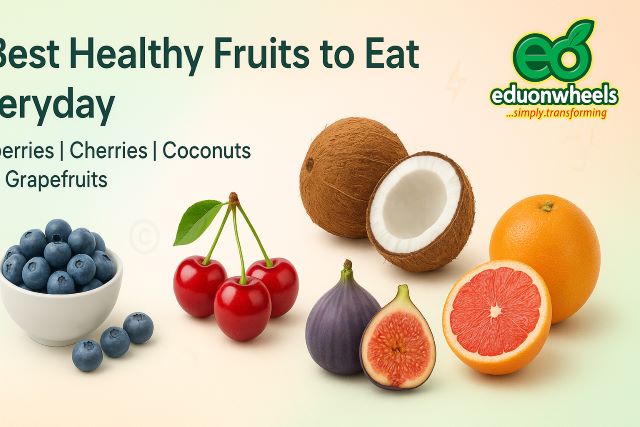
The page you requested could not be found. Try refining your search, or use the navigation above to locate the post.

Healthy Foods-Fruits to eat Everyday | Foods – Fruits for Healthy Living and Wellness Lifestyles
Best Healthy Foods – Fruits are nutrient-rich fruits that provide essential vitamins, minerals, fiber, and antioxidants that promote overall health and well-being.
What are Blueberries?
Blueberries, scientifically known as Vaccinium cyanococcus, belonging to the Ericaceae family are small, round berries grow on shrubs and are native to North America having a sweet and slightly tangy flavor, with a deep blue-purple color and a smooth skin.
Nutritional Values/Nutrients
Blueberries are rich in antioxidants, particularly anthocyanins, which contribute to their vibrant color and numerous health benefits. They also provide vitamins C and K, manganese, and dietary fiber.
Nutritional Facts/Nutrition per serving
One cup of blueberries contains approximately 84 calories, 21 grams of carbohydrates, 3.6 grams of fiber, 1.1 grams of protein, and is a good source of vitamin C, vitamin K, and manganese.
Health Benefits
Blueberries are known for their potential to improve cognitive function, reduce oxidative stress, and support heart health due to their high antioxidant content. They may also help regulate blood sugar levels and promote healthy skin.
3 Healthy Recipes:
How to eat Blueberries Best:
Enjoy blueberries fresh as a snack, add them to yogurt or cereals, or incorporate them into various recipes for a burst of flavor and nutrition.
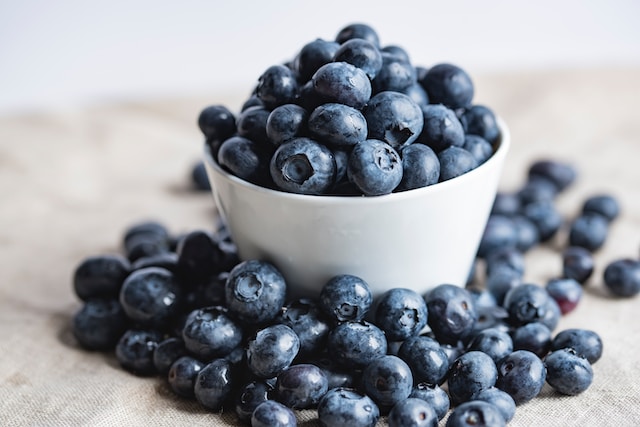
Dive into the amazing health benefits and nutritional values of blueberries, a star in our “Top 25: 5 Best Healthy Fruits to Eat Everyday” guide! Images: 1
What are Cherries?
Cherries, scientifically known as Prunus avium (sweet cherries) and Prunus cerasus (sour cherries), belonging to the Rosaceae family are fruits that grow on deciduous trees and are believed to have originated in Asia. Cherries come in various colors, including red, yellow, and dark purple, and have a sweet or tart taste with a juicy and firm texture.
Nutritional Values/Nutrients:
Cherries are a good source of vitamins C and K, potassium, and antioxidants such as anthocyanins and quercetin. They also contain melatonin, which may contribute to better sleep.
Nutritional Facts/Nutrition per serving:
One cup of cherries provides about 87 calories, 22 grams of carbohydrates, 3 grams of fiber, and significant amounts of vitamin C, vitamin K, and potassium.
Health Benefits:
Cherries have anti-inflammatory properties that may aid in reducing muscle soreness and arthritis symptoms. They also contain compounds that could support heart health and contribute to better sleep quality due to their melatonin content.
3 Healthy Recipes:
How to eat Cherries Best:
Enjoy cherries fresh as a snack, use them in salads, or incorporate them into desserts for a burst of natural sweetness.

Discover the vibrant flavor and incredible health benefits of cherries, a delicious highlight from our “Top 25: 5 Best Healthy Fruits to Eat Everyday” article! Images: 2
What are Coconuts?
Coconuts, scientifically known as Cocos nucifera, belonging to the Arecaceae family are tropical fruit that grow like palm trees and is believed to have originated in Southeast Asia. Coconuts have a hard, fibrous husk, a brown seed or “nut” inside, and offer a refreshing, sweet taste with a creamy texture.
Nutritional Values/Nutrients:
Coconuts are a good source of healthy fats, including medium-chain triglycerides (MCTs), which are easily digestible and can provide a quick source of energy. They also contain essential minerals such as potassium, manganese, and copper.
Nutritional Facts/Nutrition per serving:
One cup of shredded coconut meat provides approximately 283 calories, 27 grams of fat, 12 grams of carbohydrates, and notable amounts of fiber, potassium, and manganese.
Health Benefits:
Coconuts offer potential benefits for heart health due to their MCT content, which may help improve cholesterol levels. They also contain antioxidants and have antimicrobial properties that may support the immune system and contribute to overall well-being.
3 Healthy Recipes:
How to eat Coconuts Best:
Enjoy coconut in various forms, including fresh coconut water, coconut milk, shredded coconut, or coconut oil, as a versatile addition to both sweet and savory dishes.

Need a tropical boost? Explore the amazing nutritional values and health benefits of Coconuts, featured in our guide on the 5 Best Healthy Fruits to Eat Everyday! Images: 3
What are Figs?
Figs, scientifically known as Ficus carica, belonging to the Moraceae family are sweet, pear-shaped fruits grow on deciduous trees or shrubs and are believed to have originated in the Middle East. Figs have a unique, sweet taste and a chewy texture, with a thin skin covering their flesh.
Nutritional Values/Nutrients:
Figs are rich in dietary fiber, providing both soluble and insoluble fibers that support digestive health. They also contain vitamins and minerals such as potassium, magnesium, vitamin K, and vitamin B6.
Nutritional Facts/Nutrition per serving:
One cup of fresh figs contains approximately 107 calories, 2 grams of protein, 1 gram of fat, and significant amounts of fiber, potassium, magnesium, and vitamins K and B6.
Health Benefits:
Figs may help regulate blood sugar levels due to their high fiber content and low glycemic index. They also contain antioxidants that contribute to overall health and may have anti-inflammatory effects. Additionally, figs provide essential nutrients that support bone health and cardiovascular function.
3 Healthy Recipes:
How to eat Figs Best:
Enjoy figs fresh, dried, or in recipes such as salads, desserts, or as a topping for yogurt to savor their sweet and nutritious qualities.

Sweet and nutrient-dense figs! Find out the nutritional values, health benefits, and best recipes for figs in our “Top 25: 5 Best Healthy Fruits to Eat Everyday” guide. Images: 4
What are Grapefruits?
Grapefruits, scientifically known as Citrus × paradisi, belonging to the Rutaceae family are citrus fruits are believed to be a hybrid of the pomelo and sweet orange and are thought to have originated in the West Indies. Grapefruits have a slightly tart and bitter taste with a hint of sweetness, and they come in various colors, including pink, red, and white.
Nutritional Values/Nutrients:
Grapefruits are low in calories and rich in vitamins, particularly vitamin C, which supports immune function and skin health. They also contain antioxidants such as flavonoids and lycopene, which contribute to their health-promoting properties.
Nutritional Facts/Nutrition per serving:
One medium-sized grapefruit provides about 52 calories, 13 grams of carbohydrates, 2.5 grams of fiber, and a significant amount of vitamin C, along with smaller amounts of vitamin A and potassium.
Health Benefits:
Grapefruits may aid in weight management and metabolism due to their fiber content and potential effects on insulin sensitivity. They also contain compounds that could contribute to heart health by lowering cholesterol levels and supporting blood pressure regulation. Additionally, the antioxidants in grapefruits may have anti-inflammatory and anticancer properties.
3 Healthy Recipes:
How to eat Grapefruits Best:
Enjoy grapefruits fresh as a snack, in salads, smoothies, or as a standalone refreshing fruit to reap their nutritional benefits and unique citrus flavor.
These five fruits are nutritional powerhouses offering diverse vitamins, minerals, antioxidants, and dietary fiber essential for maintaining good health. Blueberries and cherries enhance brain and heart function, coconuts provide sustained energy and immune support, figs promote digestion and bone strength, and grapefruits help with metabolism and cardiovascular wellness. Incorporating them into daily meals—through smoothies, salads, or snacks—ensures a balanced intake of nutrients while adding color, freshness, and natural sweetness to everyday diets.
The information provided in this blog post, “Top 25: 5 Best Healthy Foods – Fruits to Eat Everyday 2 – Nutritional Values/Nutrients, Nutrition per Serving, Health Benefits, Recipes and How Best to Eat,” is for general informational and educational purposes only. I am not a medical or nutrition professional, and the content shared here is based on personal research, publicly available sources, and general knowledge about healthy eating.
While every effort has been made to ensure the accuracy and reliability of the information presented, readers should not rely solely on this content for making health or dietary decisions. Nutritional values and health benefits can vary depending on individual health conditions, serving sizes, and preparation methods.
Always consult with a qualified healthcare provider, nutritionist, or dietitian before making significant changes to your diet or health regimen. The recipes and suggestions shared are intended for general wellness and enjoyment and should not be interpreted as medical advice or treatment recommendations.
The author assumes no responsibility for any errors, omissions, or outcomes resulting from the use of this information. Use of the content is solely at your own discretion and risk.


0 Comments